How to Successfully Recover Your Security Deposit After Moving Out
Team LeaseTerminationLetter
·Published · Updated
Quick Answer
Landlords must return security deposits within state-mandated deadlines (ranging from 14 to 60 days depending on the state), and can only deduct for actual damages beyond normal wear and tear. They must provide an itemized statement of any deductions with receipts. If your landlord fails to return the deposit or provide documentation within the deadline, you can sue in small claims court — and many states award double or triple damages for bad-faith withholding.
For many renters, the security deposit represents a significant sum of money—often equal to one or even two full months of rent. Losing this money to a landlord for unfair, undocumented, or exaggerated charges is incredibly frustrating. The good news is that the law is largely on the side of the tenant when it comes to security deposits. Landlords do not have a blank check to spend your deposit on upgrading the apartment; they must follow rigid statutory timelines and evidentiary rules. In this comprehensive guide, we will teach you the proactive steps you must take to protect your money, how to differentiate between "wear and tear" and actual damage, and what to do if your landlord simply refuses to pay.
What Should You Do Before Moving Out to Protect Your Deposit?
Winning a security deposit dispute begins weeks before you actually hand over the keys.
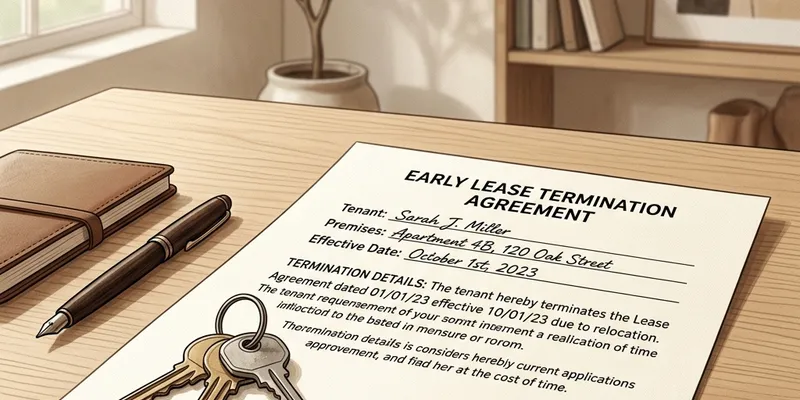
First, you must serve a legally valid lease termination letter containing your new forwarding address. If the landlord does not know where to send the check, the legal countdown timer in many states does not begin.
Second, exercise your right to a "pre-move-out inspection" if your state allows it. During this walkthrough, the landlord will identify any issues they intend to charge you for, giving you a small window of time to patch the holes or clean the oven yourself for a fraction of the cost. Finally, take hundreds of photos and videos of the empty, clean apartment on your final day. This visual evidence is the silver bullet that wins small claims court cases.
What Counts as Normal Wear and Tear vs. Actual Damage?
By law, landlords cannot deduct from your security deposit to cover "normal wear and tear." This refers to the natural deterioration that occurs when a property is used reasonably for its intended purpose.
- Examples of Wear and Tear (Not Deductible): Faded paint, slightly worn carpets in high-traffic areas, scuff marks on the floor, or loose door handles.
- Examples of Actual Damage (Deductible): Huge holes in drywall, pet urine stains deep in the carpet padding, shattered windows, or unauthorized paint jobs.
Furthermore, landlords cannot charge you for "betterment." If you ruin a 10-year-old carpet, the landlord cannot charge you the full price of a brand-new carpet. They can only charge you the depreciated value of a 10-year-old carpet—which is often nearly zero.
How Long Does a Landlord Have to Return Your Deposit?
Landlords do not have months to inspect the apartment and return your money. Every state has a strict statutory deadline.
- 14 Days: Arizona, Hawaii, New York, Vermont, Washington.
- 21 Days: California, Colorado, Idaho, New Jersey.
- 30 Days: Texas, Illinois, Massachusetts, Ohio, Pennsylvania.
If the landlord intends to keep a portion of the deposit, they must provide an itemized list of deductions, alongside receipts or estimates, before this deadline expires. If they miss the deadline by even one day, in many states, they automatically forfeit the right to keep any of the deposit, regardless of how much damage you caused.
What Can You Do If the Landlord Keeps Your Money?
If the deadline passes and you have received neither a check nor an itemized list of deductions—or if you receive an itemized list full of fraudulent charges—your first step is to write a Security Deposit Demand Letter.
This letter should formally demand the immediate return of the funds. Cite the specific state law regarding security deposit return deadlines, mention the condition you left the property in (referencing your photographic evidence), and state clearly that if the funds are not returned within a specific timeframe (e.g., 7 days), you will pursue the matter in court. Send this letter via Certified Mail.
How Do You Sue a Landlord in Small Claims Court?
If the Demand Letter is ignored, you have the right to file a lawsuit in small claims court. Small claims court is designed for individuals to resolve disputes without needing expensive lawyers.
The process is relatively cheap (usually a filing fee between $30 and $75) and highly effective. To penalize landlords who act in "bad faith," many states allow tenants to sue for double or triple the amount of the wrongfully withheld deposit. If your landlord kept your $1,000 deposit illegally in a state with "treble damages," a judge could award you $3,000 plus court costs. When presented with the threat of triple damages in a formal lawsuit, many landlords will quickly settle and cut a check.
Start Your Paper Trail Early
The best way to ensure you get your deposit back is to notify your landlord properly from day one. Generate your lease termination letter today, complete with a space for your forwarding address.
Create Your Notice →Frequently Asked Questions (FAQs)
How long does my landlord have to return my security deposit?
The deadline depends entirely on state law. It ranges from 14 days (e.g., Arizona, New York) to 21 days (California) up to 30 days (Texas) or even 45 days in a few states. Check your specific state statute.
What is the difference between normal wear and tear and damage?
Normal wear and tear includes minor fading of paint, lightly worn carpets, or small scuffs. Damage includes large holes in the walls, pet urine stains on the carpet, or broken appliances caused by negligence. Landlords can only deduct for actual damage.
What should I do if my landlord ignores my requests for the deposit?
If the state deadline passes and the landlord has not returned the funds or an itemized deduction list, you should send a formal Demand Letter via Certified Mail. If they still ignore you, you can file a lawsuit in small claims court.
Can a landlord deduct cleaning fees from my deposit?
Generally, landlords can only deduct cleaning fees if you leave the apartment in a worse state of cleanliness than when you moved in. Routine, standard turnover cleaning between tenants is the landlord's financial responsibility, not yours.